The Gallery of Evolution
The Birth of the Web
From Web 1.0 to Web 2.0
Following Geocities, many other blogging platforms were introduced. Most of them worked with pre-made templates and graphical user interface to edit pages and write blogposts.
MySpace
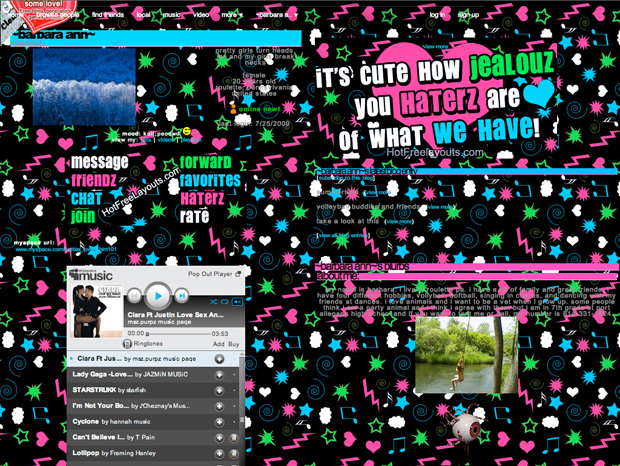
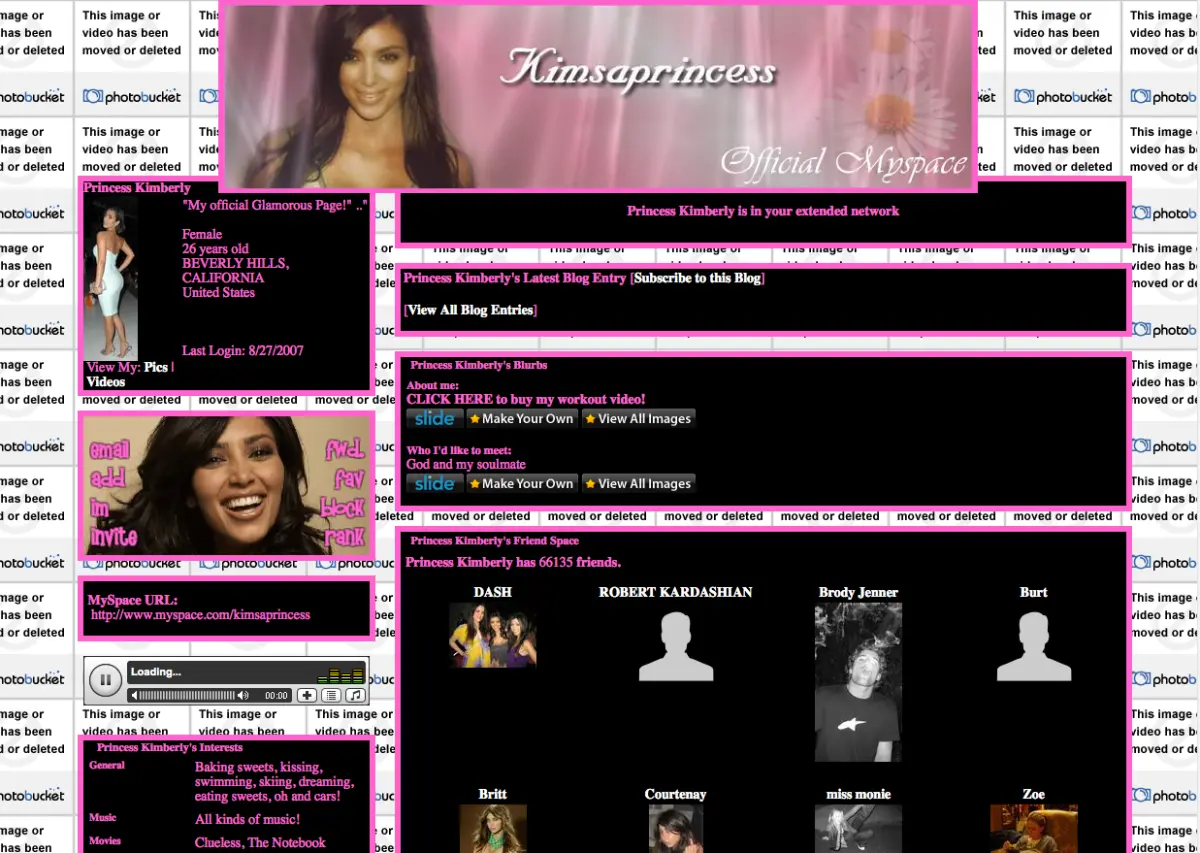
MySpace was launched in 2003 in the US by Tom Anderson and quickly grew in popularity for being an easily accessible site to showcase who you were. It came before Twitter, Facebook and Instagram and was different in the amount of control you could have on your page. From 2005 to 2009, Myspace was the largest social networking site in the world.

Web 2.0
The switch to personal webpages to the use of content creation platforms, such as Myspace, Facebook or Tumblr, is often described as the evolution from web 1.0 to 2.0. This is the switch from webpage’s guestbooks to comments, from webpage to blogs, from pages to profiles, etc.
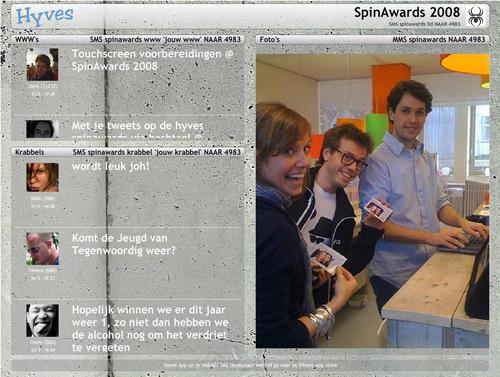
However, the early days of the web 2.0 are still infused with a lot of creativity and diversity when it comes to connecting people, with many platforms competing for web visitors. Facebook finally won this race in most western countries in 2009-2010.
, and complete [quests](https://en.wikipedia.org/wiki/Quest_(video_games) Quest (video games)).](/museum/images/habbo.jpg)

Web 2.0
While the introduction of graphical interfaces in place of programming a page by hand contributed to the rise of users and democratization of these 2.0 platforms. However, the also slowly contributed to the standardisation of interface and content.
Going further
- The webdesign museum shows how the looks famous websites has evolved throughout the years
- This article from a former MySpace user recounting her experience
Anatomy of Modern Social Media