Anatomy of Modern Social Media
The Gallery of Evolution
From diversity to standardisation
After an era of crazy webdesign, social and interface innovation, social media platforms have become more and more standardized
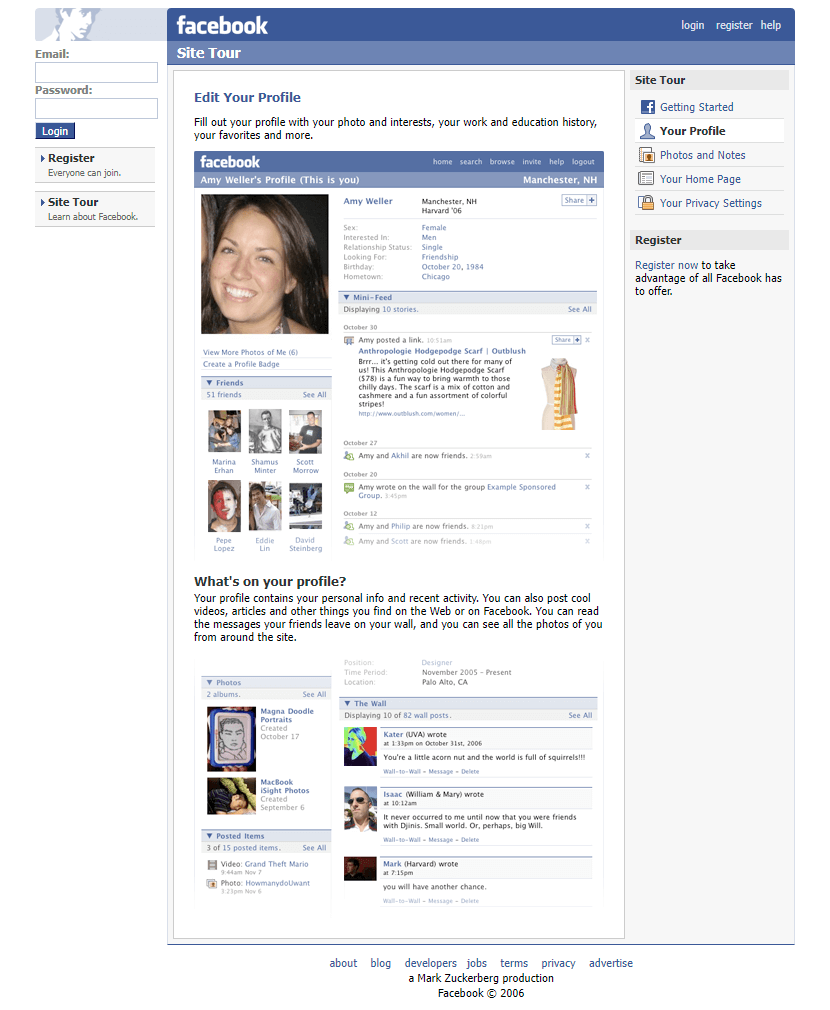
Screenshot of Facebook in 2006. At that time the site was already a very standardized people’s book, instead of a platform for creative expression
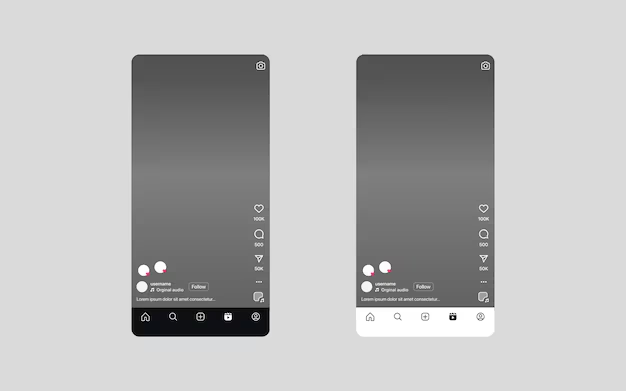
Instagram’s modern layout for short videos, almost identical to TikTok’s and YouTube’s
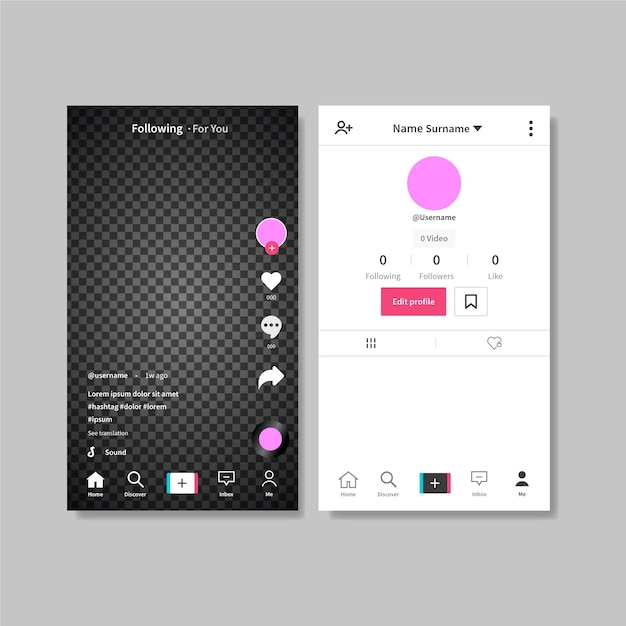
Tiktok’s short video layout.
Changes in social media
Nowadays, the bigger social media platform all copy each others, so much so that their interfaces have become almost identical to one another.
Based on what we’ve seen, could you name some key differences between modern social media and their predecessor?
Search for some answers, before looking in the next panel…
5 Differences
- Content types are limited
- It’s not possible to upload PDFs, music or even links to this type of content.
- Content format are dictated by the platform
- More and more, platform push us to upload images and videos in certain formats: long portrait for shorts, reels and tiktok videos.
- These formats are subject to change, without us having any say in it. For example, Instagram suddenly shifting from 1:1 square images to 4:5 a few years back.
- Platform lock-in
- While every website can be linked to one another using hyperlinks, platforms prevent unregistered users to access content on the platform, forcing them to log-in, and pushing them to download the app.
- At the same time, it’s almost impossible to link to places or profiles on other sites.
- Downloading and exporting our content outside the platform is also made increasingly difficult.
- Most often, we are prompted to download the app
- Privacy Concerns
- We know it on the Internet: if something is free : you are the product
- On Instagram, the Terms and Conditions of Use push us to give free and unlimited use of all our content to Meta, Instagram mother company.
- These platforms are constantly tracking our behaviors: what we like, scroll, comments or react to. They sell this data to advertisers that use it to show us targeted advertisements
- The data collected is also used to train AI models and make the platform even more profitable by making it addictive.
- Addictive designs
- We switched from surfing on the Internet as a hobby to being constantly online. Many daily tasks are now performed with the help of an internet connection, such as online banking, administrative paperwork, communicating, etc.
- Social media interfaces are designed to be highly addictive, with the clear goal of capturing our attention and monetizing it. To achieve this goal, they introduce many addictive features, such as infinite scrolling, AI powered recommendation algorithm, red notifications, etc.
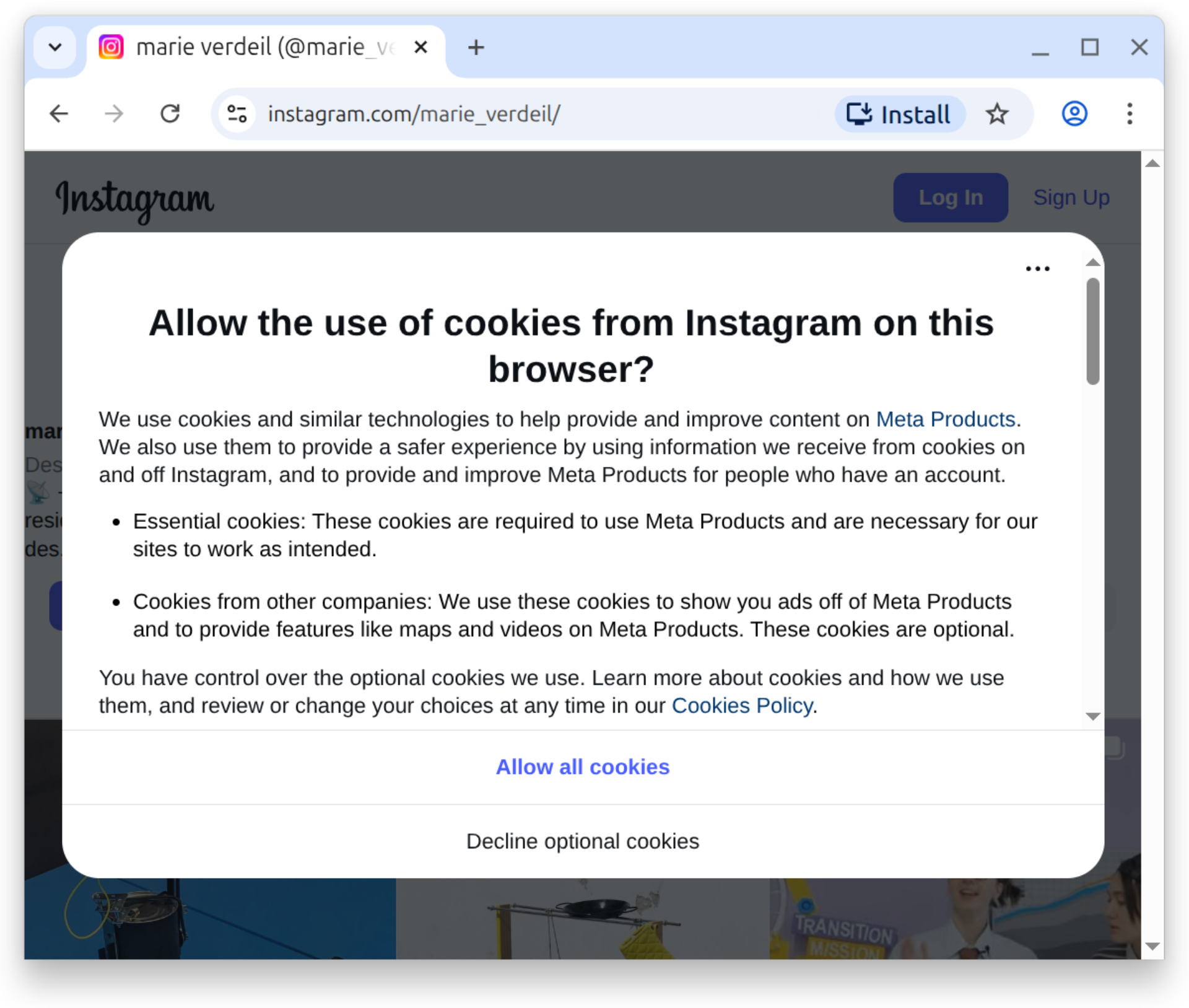
Instagram, for example, is locked-in: only registered users can view to site’s content. The web is no longer open, but a series of walled gardens.
The Aisle of Alternatives