The Birth of the Web
How the web was born
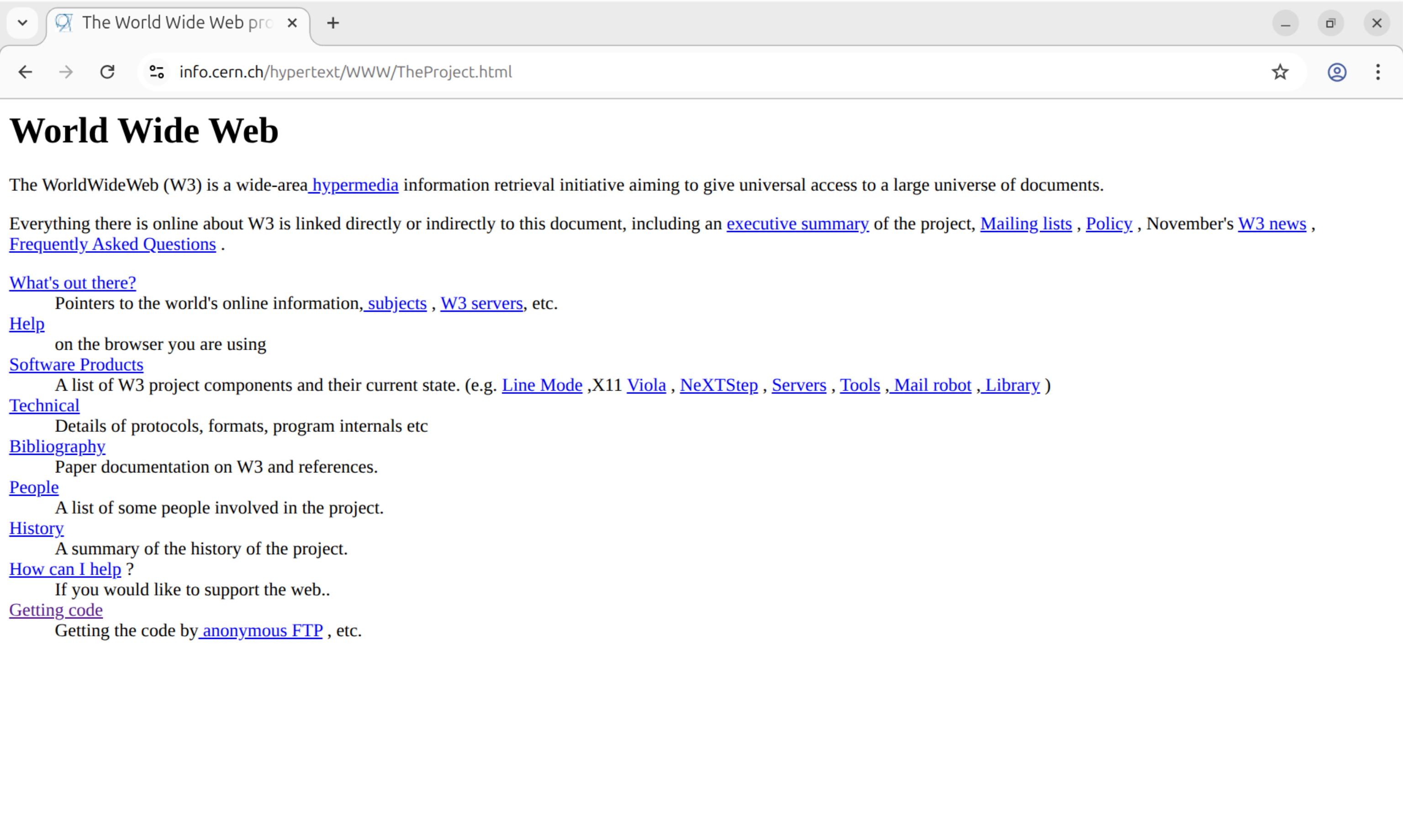
WWW, for World, Wide, Web
The web was launched in 1990 by Tim Berners-Lee at CERN, a European nuclear research agency. It was originally developed to let universities and research center share and exchange information, research papers and data.

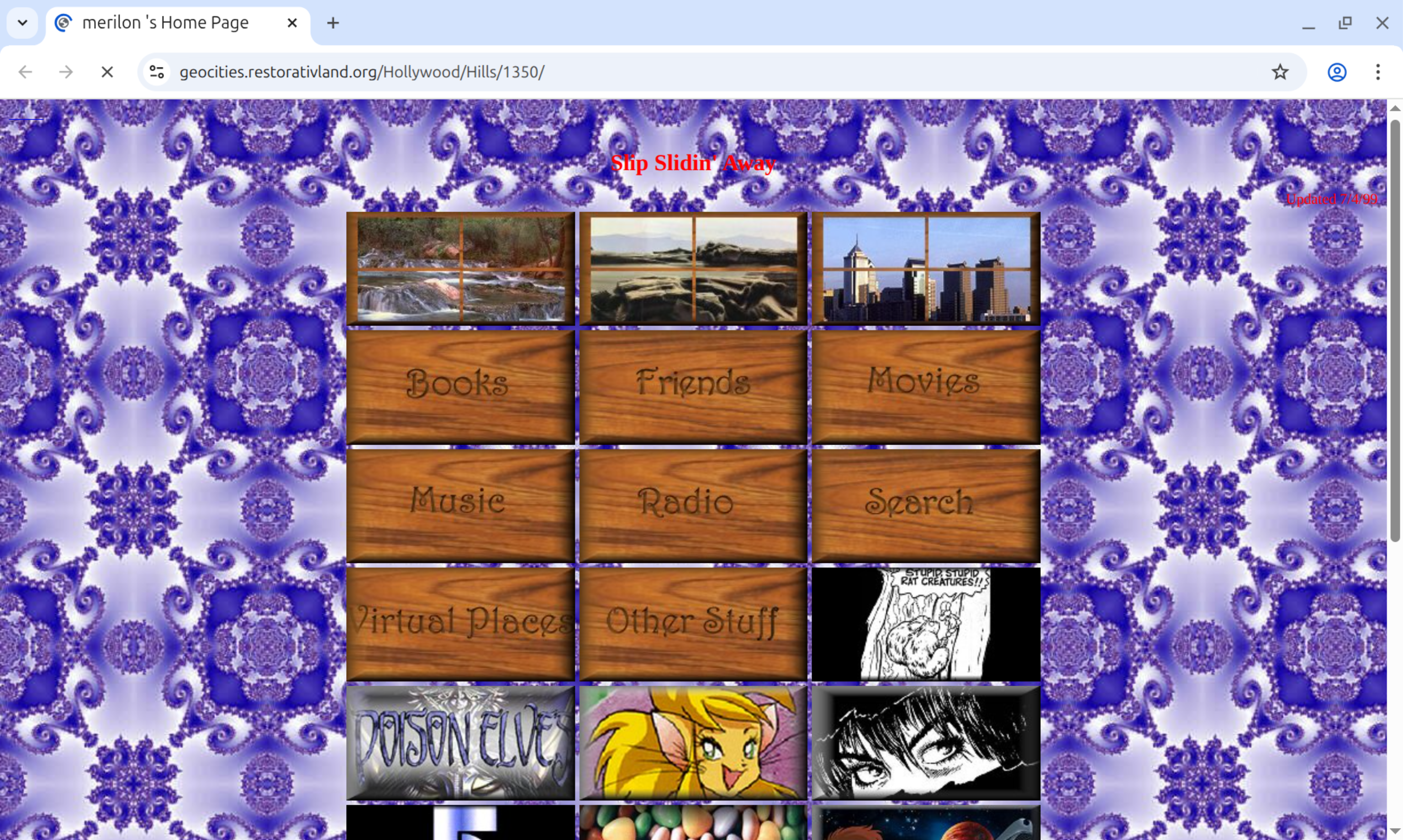
Geocities and the rise of personal webpages
Although the web was originally for academia, it soon democratised. In 1994, a US company started offering free hosting on their platform called Geo-cities. It meant that any one could create their personal, custom webpage and make it public for any online user. In Geocities, websites were organised in cities: computer themes pages had an address in Silicon Valley, while pages about cinemas or movie star were in Hollywood. Viewers could navigate all pages and check whether they had changed. Although the site was closed on in 2009, people managed to download and the personal page before they were deleted.



At this time there was no search engine to search for websites and get a list, so people had other strategies:
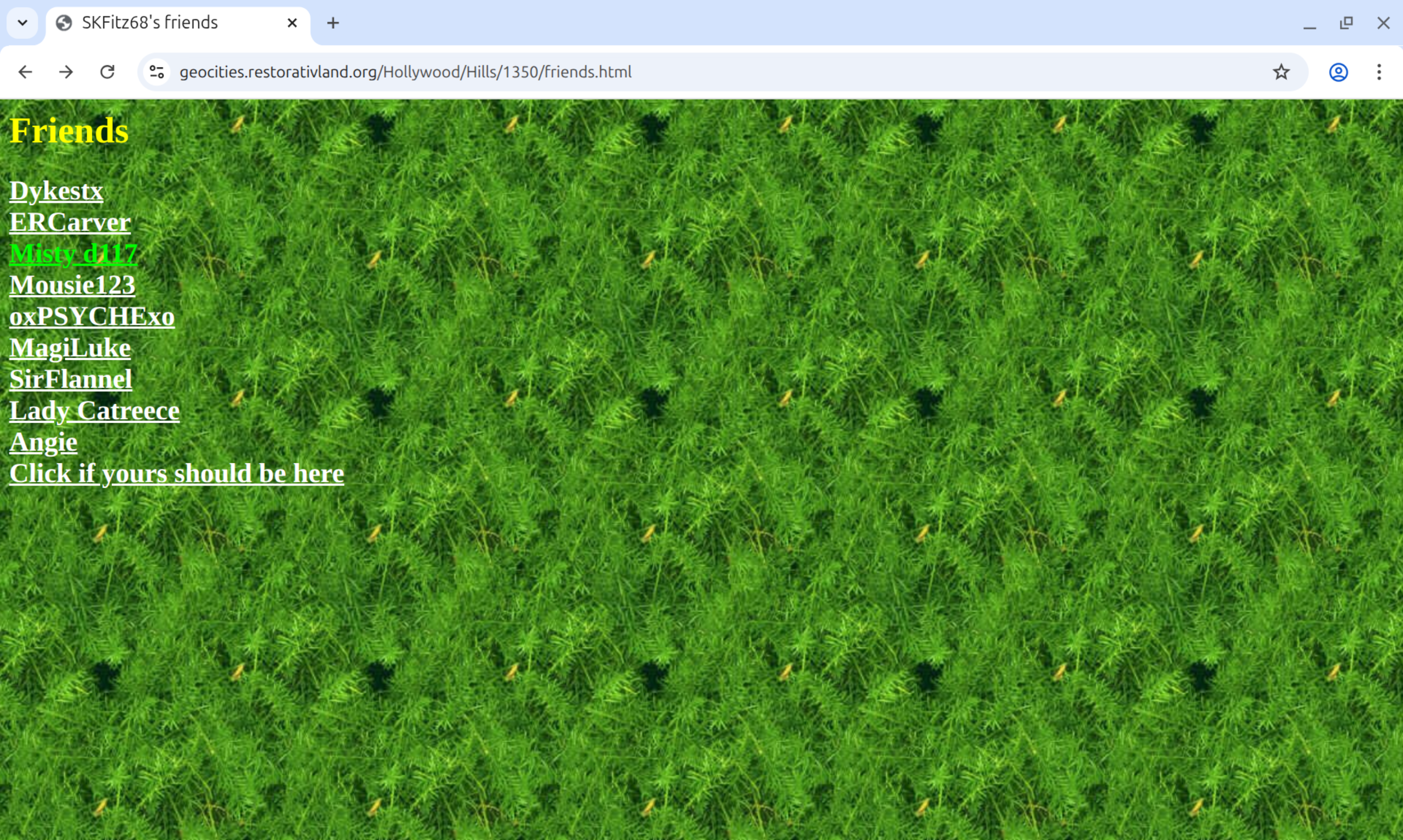
- Friends section were a place to list your friend’s pages.
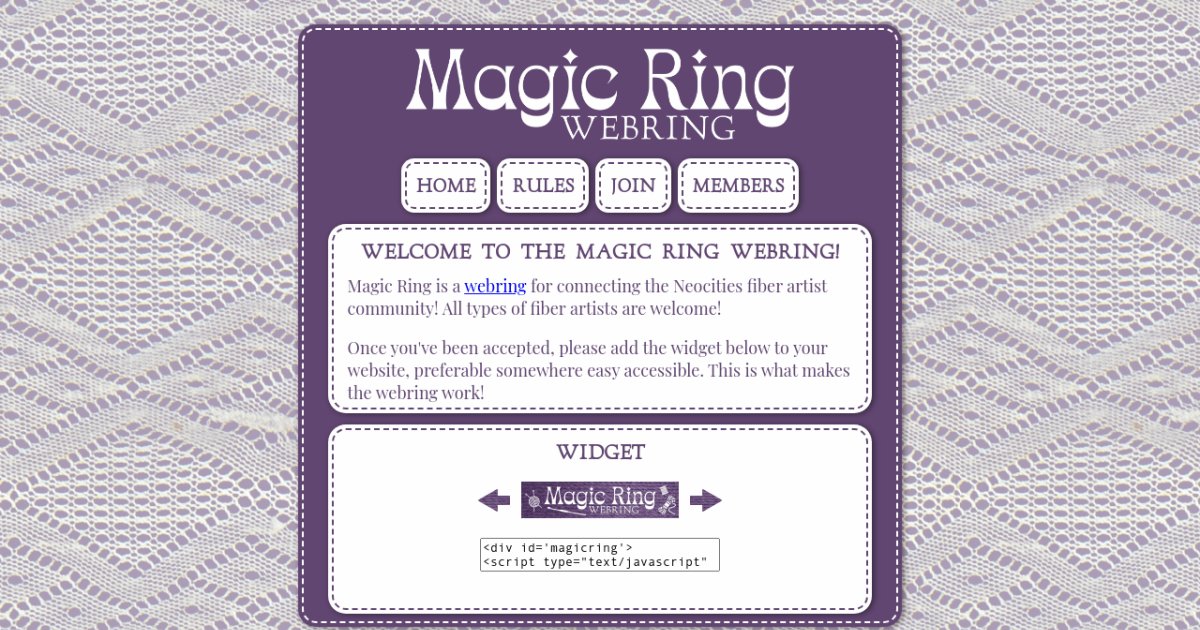
- Webrings would connect webpage one after the other so you could click through them.
- Guestbooks were the precursor of comments, a way to leave a message


Going further ?
- Browse one of many Geocities archives:
- This one shows the different “districts” of the city spatially.
- Olia Lialina, a famous net artist is showing curation of archived geocities sites on her tumblr
- A documentary (EN-FR-DE) about Olia Lialina archiving webpages
The Gallery of Evolution